
What is the future of the multilingual workforce in the age of AI?


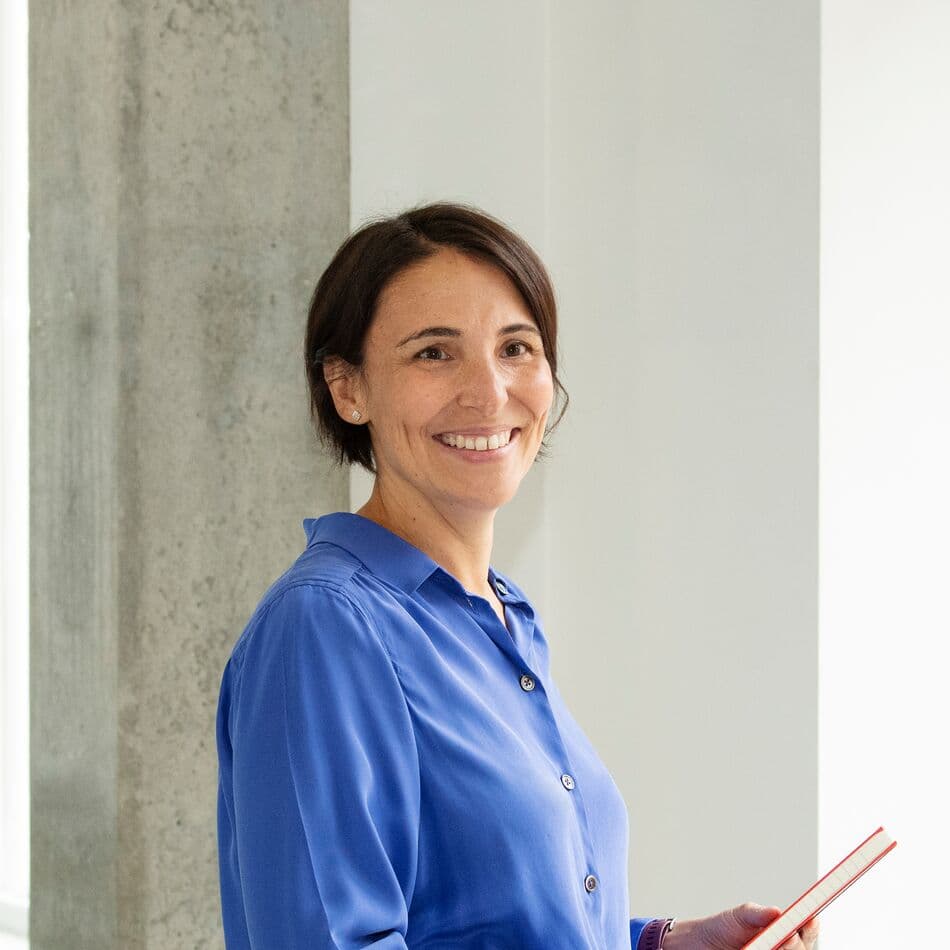
By Katleen De Stobbeleir
Professor of Leadership
Before the advent of Generative AI, the ability to work in multiple languages was a rare skill, spanning technical translation, gatekeeping and mediation – as well as cultural understanding. Now, however, key aspects of the multilingual worker’s role can be automated and carried out by GenAI tools. So what is the future for the multilingual workforce? A new, two-year research collaboration between Vlerick and Bright Plus is set to find out.
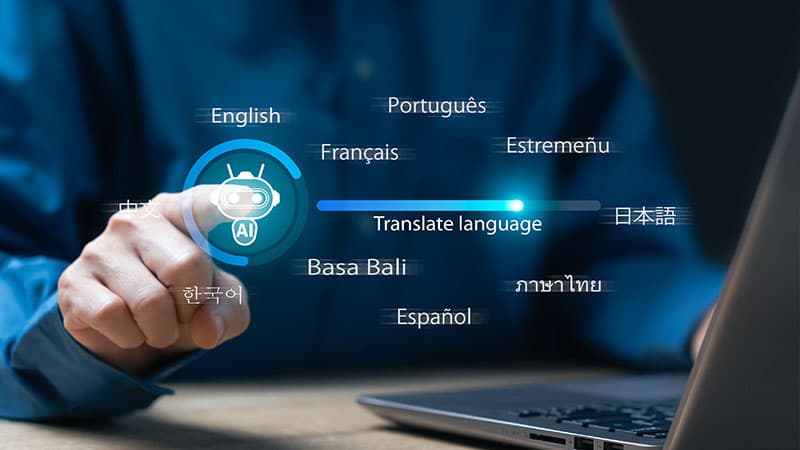
Across the world, multilingual professionals play critical roles in disciplines spanning HR, sales, marketing, logistics and administration. But now key aspects of their work are being automated.
However, the remit of the multilingual professional is often broader and more nuanced than anything that can be achieved by algorithms. Multilingual colleagues are also essential, for example, in connecting teams, supporting customers and providing clarity to a wide range of stakeholders. And they’re pivotal in helping organisations to navigate organisational and cultural boundaries.
The role of multilingual colleagues is certainly in transition. And to be able to anticipate and navigate the new reality, there needs to be a deeper understanding of the skills multilingual professionals may need to develop – as well as the profiles that recruiters and HR colleagues will need to target.
A framework for the future
So to support everyone in the professional multilingual landscape – and to help multilingual professionals to thrive – recruitment specialist Bright Plus is partnering with the Vlerick Centre for Excellence in Leading Adaptive Organisations to carry out an in-depth, two-year research programme. The partnership will combine academic research with practice-based labour market insights – and will explore skillsets, impacts on the workforce and how AI and humans can best work together.
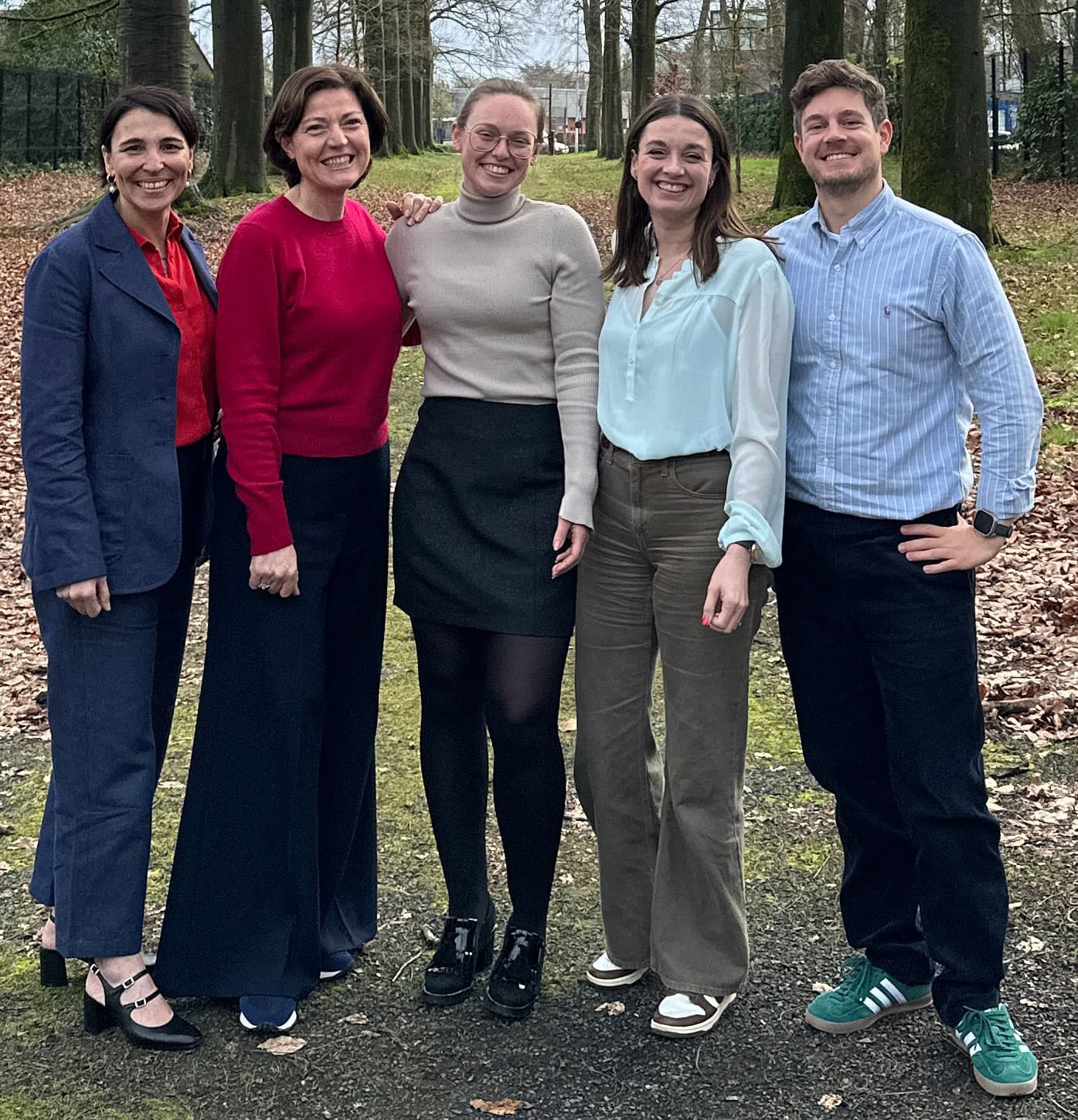
The study is led by Professor Katleen De Stobbeleir and researcher Elke Van de Wiele from our Vlerick Centre for Excellence in Leading Adaptive Organisations, in close collaboration with the Bright Plus team of General Manager Linda Cappelle and marketing experts Jolien Nulens and Jens Martens.
Together they will explore which skills will become critical to the multilingual professional of the future – and how organisations can prepare. They will develop a framework to help organisations understand the evolution of multilingual roles.
The importance of human connection
“We’re increasingly seeing the impact of AI on the labour market. Certain tasks and roles are changing or disappearing. However, simultaneously, new ways of working and skill requirements are emerging”, says Katleen De Stobbeleir, Professor of Leadership at Vlerick. “This research initiative will deepen our understanding of how work is organised today and how essential skills will evolve in the years to come.”
General Manager at Bright Plus, Linda Cappelle, adds: “The assistant profession is an ever-changing pursuit. AI is reshaping processes and language technologies are becoming ubiquitous. Which means we need to think seriously about what multilingualism means today, as well as the importance of human connection. Through this research, we want to offer practical insights that support the continued growth and development of multilingual talent in an AI-driven labour market.”
About Bright Plus
Bright Plus is a recruitment and outsourcing company specialising in multilingual professionals for permanent and temporary assignments across multiple fields, including sales, marketing, logistics and office management. With more than 30 years’ experience, Bright Plus supports organisations in finding, developing and deploying multilingual talent. The company is recognised as a Great Place to Work.
Get in touch!